
Why Does the Price of Coffee Change Every Day?
Coffee, the fuel for millions of mornings around the world, is more than just a beverage; it’s a globally traded commodity. Like any other commodity, its price is subject to a complex web of factors that can cause it to fluctuate daily. Have you ever wondered why your favorite bag of beans or your morning latte might cost a little more or a little less from one day to the next? The answer lies in the dynamic world of coffee trading.
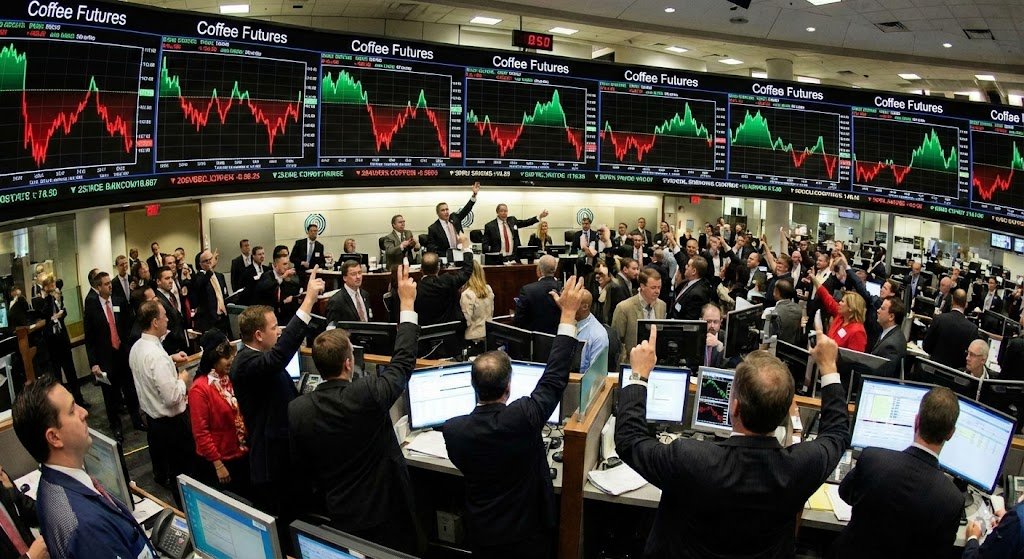
At its core, the price of coffee is determined on global commodities exchanges, much like stocks. The image above illustrates this frenetic environment where traders buy and sell coffee futures contracts. These contracts are essentially bets on what the price of coffee will be at a future date. Let’s explore some of the key factors that influence these decisions and, ultimately, the price you pay.
1. Weather and Climate
The most significant factor impacting coffee prices is the weather in major coffee-producing regions like Brazil, Vietnam, and Colombia. Coffee plants are sensitive. A drought during the flowering season or a frost during harvest can devastate a crop, leading to a shortage in supply. Conversely, ideal weather can lead to a bumper crop, increasing supply.
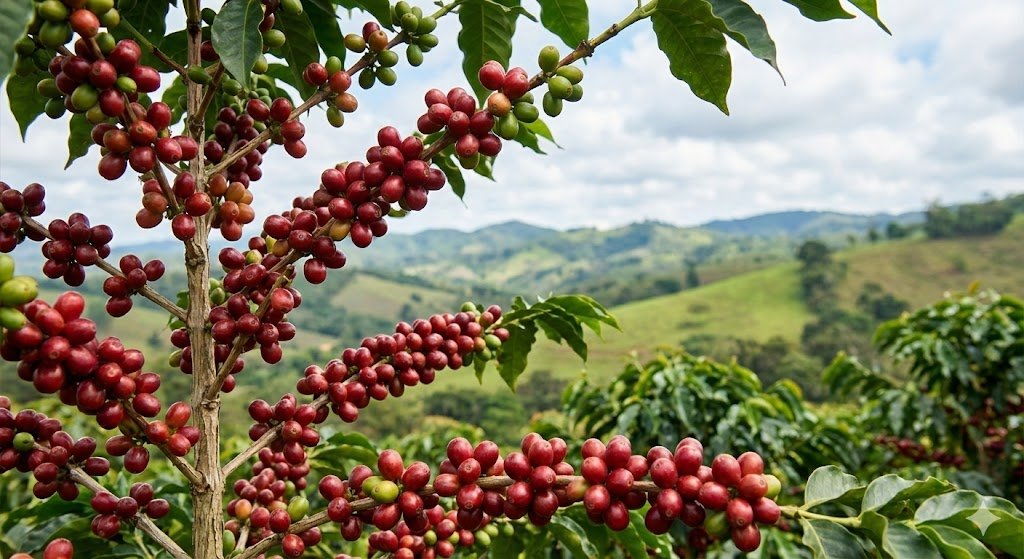
As seen in the image of the coffee farm, the health and yield of these plants are directly tied to environmental conditions. A simple weather forecast predicting rain in a drought-stricken region can cause prices to drop, while a frost warning can send them soaring.
2. Global Supply and Demand
The basic economic principle of supply and demand plays a huge role. If the global demand for coffee increases (as it has been for years, especially in emerging markets) and the supply remains the same or decreases, prices will rise. Conversely, if there’s an oversupply of coffee and demand is stable, prices will fall.
3. Currency Fluctuations and Logistics
Since coffee is traded internationally, usually in US dollars, the strength of the dollar against the currencies of coffee-producing countries can impact the price. Furthermore, the cost of shipping, fuel prices, and geopolitical events can all add to the final cost of the beans that reach your local roaster.

All these factors – the trading floor activity, the weather on a distant farm, and global logistics – converge to influence the price at your local cafe, as depicted in the final image. The next time you see the price of your coffee change, remember that it’s not just about the cafe’s costs; it’s a reflection of a complex, interconnected global market that is constantly in flux.